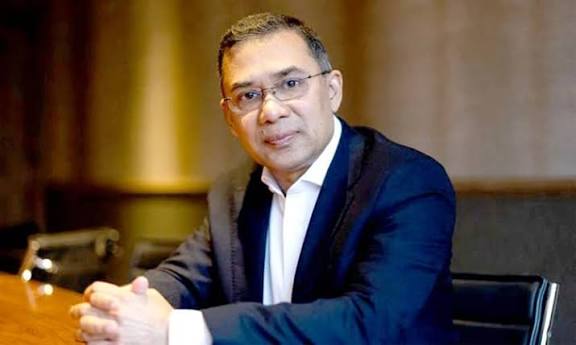

Tarique Rahman Biography: Age, Political Career, Net Worth, Family & Latest Updates
Quick Profile Summary
| Field | Details |
|---|---|
| Full Name | Tarique Rahman |
| Date of Birth | November 20, 1965 |
| Age | 60 (approx. 2025–2026) |
| Birthplace | Dhaka, Bangladesh |
| Nationality | Bangladeshi |
| Profession | Politician |
| Party | Bangladesh Nationalist Party (BNP) |
| Father | Ziaur Rahman |
| Mother | Khaleda Zia |
| Spouse | Zubaida Rahman |
| Children | One daughter |
| Known Role | Acting Chairman of BNP |
| Residence | Reportedly London, UK |
Introduction
Tarique Rahman is one of the most recognized and debated political figures in Bangladesh. As the son of former President Ziaur Rahman and former Prime Minister Khaleda Zia, his political path has been shaped by legacy, controversy, leadership responsibility, and intense public scrutiny.
Over the years, he has emerged as a central figure in the Bangladesh Nationalist Party (BNP), influencing opposition politics even while living abroad. Supporters view him as a future national leader carrying forward his family’s political vision, while critics remain skeptical due to legal controversies and political disputes.
This comprehensive biography explores his early life, political rise, family legacy, leadership style, controversies, influence, personal life, and evolving role in Bangladesh’s political future.
Early Life and Family Background
Tarique Rahman was born in Dhaka on November 20, 1965, during a period when Bangladesh was still part of Pakistan. His childhood coincided with dramatic political changes, including the Bangladesh Liberation War of 1971.
Being born into a politically active family meant that politics was never distant from his upbringing. His father, Ziaur Rahman, played a key role in Bangladesh’s independence struggle and later served as president. His mother, Khaleda Zia, became one of Bangladesh’s most influential political leaders and served multiple terms as prime minister.
Growing up in such an environment exposed Tarique Rahman to political discussions, national crises, governance challenges, and leadership expectations from an early age. These experiences arguably shaped his political ambitions.
Education and Development Years
Publicly available information about Tarique Rahman’s formal education remains limited compared to many global political figures. He completed his early schooling in Bangladesh and reportedly spent time abroad for further exposure.
However, more influential than academic credentials was his immersion in political culture. Observing leadership firsthand, witnessing political campaigns, and understanding governance dynamics gave him practical political education that would later influence his leadership style.
Entry Into Politics
Tarique Rahman’s initial involvement in politics was gradual rather than sudden. Instead of immediately assuming a public leadership role, he worked behind the scenes in organizational and strategic capacities.
His early political activities included:
- Strengthening grassroots party networks
- Mobilizing youth participation
- Supporting party communications
- Engaging with supporters informally
This period helped him build internal party relationships and understand organizational challenges.
Rise Within the Bangladesh Nationalist Party
As time progressed, Tarique Rahman became more visible within BNP politics. His leadership role expanded particularly during periods when BNP held government power.
Key aspects of his rise:
1. Youth Engagement
He played a role in energizing younger party members, encouraging youth political participation and leadership development.
2. Organizational Influence
Many supporters credit him with improving party structure, coordination, and outreach.
3. Political Messaging
He became increasingly involved in crafting political narratives and campaign strategies.
Eventually, he rose to the position of Acting Chairman, making him one of the party’s most influential figures.
Political Ideology and Vision
Tarique Rahman’s political views generally align with BNP’s broader ideology, which emphasizes:
- National sovereignty
- Economic development
- Democratic governance
- Cultural identity preservation
- Political pluralism
Supporters argue that his leadership vision includes modernization of political communication and stronger youth involvement.
Legal Challenges and Political Controversies
No biography of Tarique Rahman is complete without addressing controversies. His political journey has involved legal cases, allegations, and political disputes.
These controversies have significantly influenced public perception and political debate. Some key points include:
- Allegations of corruption and misuse of power
- Legal proceedings in Bangladesh
- Political polarization surrounding his role
Supporters often claim these cases are politically motivated, while critics argue they reflect accountability. The issue remains deeply political and complex.
Exile and Overseas Political Activity
For many years, Tarique Rahman has reportedly lived outside Bangladesh, particularly in the United Kingdom. Despite physical distance, he remains politically active.
His overseas political engagement includes:
- Virtual speeches to supporters
- Strategic guidance for BNP leadership
- Participation in political discussions through digital platforms
- Engagement with diaspora communities
This demonstrates how modern technology enables political influence across borders.
Leadership Style and Public Image
Tarique Rahman’s leadership style is often described as:
Strategic: Focus on long-term political positioning.
Organizational: Emphasis on party structure and mobilization.
Symbolic: Represents continuity of BNP’s political legacy.
Public perception varies widely:
- Supporters see him as a future national leader.
- Critics question his political record.
- Neutral observers analyze his potential influence objectively.
Relationship With Family Legacy
Being the son of two prominent national leaders brings both advantages and challenges.
Advantages:
- Immediate public recognition
- Established political network
- Historical legacy
Challenges:
- High expectations
- Constant comparison with parents
- Intense public scrutiny
Managing this legacy remains central to his political identity.
Personal Life and Character
Tarique Rahman is married to Zubaida Rahman, a medical professional known for maintaining a low public profile. They have one daughter.
Despite political attention, he generally keeps personal matters private. Family support has reportedly played an important role during political challenges.
Net Worth and Financial Profile
There is no publicly verified figure regarding Tarique Rahman’s net worth. Estimates vary widely and often reflect political narratives rather than confirmed financial disclosures.
Responsible analysis suggests:
- No official public declaration exists.
- Media estimates should be treated cautiously.
- Financial transparency debates remain part of political discourse.
Influence on Bangladeshi Politics
Tarique Rahman remains a significant figure in Bangladesh’s political landscape.
Areas of influence include:
Opposition Politics
He continues to shape BNP’s direction and messaging.
Youth Mobilization
His involvement has encouraged younger political participation.
Diaspora Engagement
He maintains connections with Bangladeshi communities abroad.
Strategic Party Planning
His role in long-term political strategy remains important.
Media Coverage and Public Discussion
Media coverage of Tarique Rahman is often polarized, reflecting broader political divisions.
Some outlets highlight:
- Leadership potential
- Political legacy
- Party organizational role
Others focus on:
- Legal controversies
- Political debates
- Criticism from opponents
Understanding this polarization is key to analyzing his public image.
Challenges Facing His Political Future
Several factors may shape his future political trajectory:
- Legal and political developments in Bangladesh
- Electoral outcomes and political climate
- Public perception evolution
- Internal party dynamics
- International political context
These factors collectively influence his potential return to frontline national politics.
Potential Return to Bangladesh Politics
Discussions about Tarique Rahman’s potential return to active domestic politics periodically arise, especially during election seasons.
Such a return could have significant implications:
- BNP leadership consolidation
- Opposition political strategy
- Electoral competition dynamics
- Media and public discourse intensity
However, outcomes remain uncertain.
Role in South Asian Political Context
Beyond Bangladesh, Tarique Rahman represents a broader phenomenon in South Asian politics: political dynasties.
Similar patterns exist across the region where political leadership passes through family networks. Analysts often study such dynamics to understand political continuity and change.
Public Support Base
His supporters typically include:
- BNP loyalists
- Younger party members
- Sections of the diaspora
- Citizens favoring BNP ideology
Their continued support contributes to his political relevance.
Criticism and Opposition Views
Critics frequently highlight:
- Legal controversies
- Governance concerns
- Political polarization
These criticisms contribute to ongoing political debate and democratic discourse.
Interesting Facts About Tarique Rahman
- Son of both a former president and prime minister.
- Has spent significant time abroad while remaining politically active.
- Known for digital political engagement with supporters.
- Plays a symbolic role in BNP leadership continuity.
Legacy and Historical Significance
Whether viewed positively or critically, Tarique Rahman occupies an important place in Bangladesh’s contemporary political narrative.
His legacy may ultimately be defined by:
- Political leadership effectiveness
- Ability to unify supporters
- Resolution of controversies
- Contribution to democratic processes
Conclusion
Tarique Rahman’s life story reflects the complexities of modern South Asian politics — legacy, leadership, controversy, influence, and evolving political identity.
As Acting Chairman of the Bangladesh Nationalist Party and heir to a powerful political lineage, he remains an influential figure whose future role continues to attract national and international attention.
Regardless of political perspective, his biography provides insight into Bangladesh’s political evolution, leadership dynamics, and democratic challenges.
