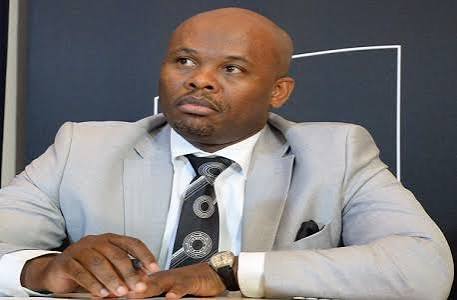
Shadrack Sibiya Biography: Age, Career, SAPS Role, Controversies, Net Worth & Latest News (2026 Update)

Shadrack Sibiya Biography: Age, Career, SAPS Role, Controversies, Net Worth & Latest News (2026 Update)
Who is Shadrack Sibiya?
Shadrack Sibiya is a South African police lieutenant-general who served as Deputy National Commissioner for Crime Detection in the South African Police Service (SAPS). He rose through investigative policing ranks, led the Hawks in Gauteng, and became a key figure in national law enforcement but later faced controversy and suspension amid corruption allegations and inquiries.
Age: Born around 1967 (estimated).
Nationality: South African.
Profession: Senior police officer.
Known for: Leadership in crime detection and recent investigations.
Latest News (2026): Ongoing testimony and scrutiny linked to the Madlanga Commission probing alleged criminal justice system interference.
Introduction
Shadrack Sibiya has become one of South Africa’s most talked-about senior police officials in recent years. Known for his decades-long policing career, leadership in major investigative units, and eventual appointment as Deputy National Commissioner for Crime Detection, he represents both achievement and controversy within modern South African policing.
His story reflects broader national debates about corruption, political interference, and reform in the criminal justice system. With ongoing inquiries such as the Madlanga Commission examining allegations affecting senior police officials, Sibiya’s biography continues to evolve in real time.
This comprehensive biography explores his early life, rise through the police ranks, controversies, leadership impact, personal life, net worth speculation, and the latest developments shaping his legacy in 2026.
Early Life and Background
Shadrack Sibiya was reportedly born in South Africa around 1967. Some public records indicate Johannesburg as his birthplace, where he spent much of his youth before entering law enforcement training.
Growing up during a politically turbulent era in South African history, many young people were drawn to public service professions, including policing. While detailed personal accounts remain limited, Sibiya’s early commitment to law enforcement suggests an ambition to pursue stability, security, and public order during a transitional period in the country’s development.
Unlike many political figures, Sibiya has largely kept his personal upbringing private. However, his long service record indicates early discipline, structured training, and a consistent focus on investigative policing.
Education and Police Training
Public documentation about Sibiya’s formal academic education is relatively limited, but his professional training within the South African Police Service (SAPS) is well established.
He reportedly began as a student constable at the Hammanskraal police training academy, where recruits undergo structured training in:
- Criminal law
- Investigation procedures
- Public order policing
- Firearms handling
- Intelligence gathering
This training laid the foundation for his career in detective services and specialized investigations.
Professional policing education typically includes continuous leadership and investigative training, which likely contributed to his eventual promotion to senior command roles.
Early SAPS Career
Sibiya began his policing career in his early twenties, moving from trainee status to operational roles. Over time, he served in multiple policing divisions, gaining experience that helped shape his professional reputation.
Key early roles included:
- Patrol officer
- Detective branch investigator
- Specialized crime unit member
He worked in investigative policing in areas such as Knysna, where he gained experience in detective work and criminal investigations.
These early assignments helped build credibility as a disciplined investigator, eventually paving the way for senior leadership positions.
Rise Through the Ranks
Hawks Leadership
One of the most defining phases of Sibiya’s career was his involvement with the Directorate for Priority Crime Investigation (Hawks), South Africa’s elite investigative unit tackling serious organized crime.
He rose to senior leadership roles within the Hawks, eventually leading the Gauteng provincial division.
Responsibilities included:
- Investigating organized crime networks
- Tackling corruption cases
- Overseeing complex financial crime probes
- Coordinating national investigative strategies
This role significantly increased his national profile.
Commercial Crime Investigations
Sibiya also led commercial crime units, dealing with:
- Fraud investigations
- Corporate corruption
- Financial crime
- Government procurement irregularities
Such work placed him at the intersection of law enforcement, politics, and business — areas often prone to controversy.
The 2015 Dismissal Controversy
A major turning point came in 2015 when Sibiya was dismissed from SAPS following allegations linked to the illegal rendition of Zimbabwean nationals.
However:
- Courts later ruled the dismissal procedurally and substantively unfair.
- He eventually secured reinstatement after legal battles.
This legal victory strengthened his public profile but also introduced ongoing controversy surrounding his career.
Return to Public Service
Following reinstatement:
- He worked with the City of Johannesburg’s forensic investigation services.
- He led anti-corruption investigations in local government.
This period demonstrated continued trust in his investigative abilities despite earlier disputes.
Appointment as Deputy National Commissioner
In July 2023, Sibiya was appointed Deputy National Commissioner for Crime Detection in SAPS — one of the highest policing positions in South Africa.
His responsibilities included:
- Oversight of detective services nationwide
- Coordination of specialized units
- Strategic crime prevention policy
This appointment confirmed his influence in national policing.
Suspension and Major Controversies
Political Killings Task Team Dispute
In 2025, Sibiya was placed on special leave after allegations that he interfered with investigations linked to politically motivated killings.
The suspension followed accusations that:
- Sensitive case dockets were redirected improperly
- Specialized task teams were disbanded
- Political pressure influenced policing decisions
He denied wrongdoing.
House Raid and Investigation
In October 2025:
- Law enforcement units raided his home.
- Electronic devices were seized for investigation.
- Reports suggested possible charges related to obstruction of justice.
This event intensified public scrutiny.
Madlanga Commission Inquiry
The Madlanga Commission investigates:
- Criminal infiltration of policing
- Political interference
- Corruption within justice institutions
Sibiya has been repeatedly mentioned in testimony.
Recent developments include:
- Allegations linking police officials and organized crime networks
- Testimony about political tensions within SAPS
- Continued legal and institutional scrutiny
These hearings remain ongoing in 2026.
Relationship With Other Police Leaders
His professional relationship with KwaZulu-Natal police commissioner Nhlanhla Mkhwanazi became strained amid disagreements over investigations, including high-profile cases.
Sibiya stated the fallout reflected institutional tensions rather than personal conflict, highlighting challenges within national policing coordination.
Leadership Style and Influence
Supporters describe Sibiya as:
- Experienced investigator
- Strategic crime fighter
- Skilled administrator
Critics argue:
- Decisions sometimes lacked transparency
- Political factors may have influenced policing priorities
These contrasting perspectives reflect broader debates about policing reform in South Africa.
Net Worth and Salary
There is no officially verified public record of Shadrack Sibiya’s net worth.
However:
- Senior SAPS commissioners typically earn substantial government salaries.
- Media speculation exists due to ongoing investigations, but no confirmed financial figures are public.
Personal Life
Sibiya maintains a low public profile regarding personal matters.
Limited publicly available information exists about:
- Family life
- Marriage
- Children
- Private business interests
This privacy is common among senior law enforcement officials due to security considerations.
Public Perception and Media Coverage
Public opinion about Sibiya remains divided:
Positive perceptions:
- Long policing experience
- Anti-crime leadership roles
- Legal victories against dismissal
Negative perceptions:
- Corruption allegations
- Institutional controversies
- Ongoing investigations
Media coverage often reflects these contrasting views.
Impact on South African Policing
Regardless of controversies, Sibiya has played a notable role in:
- Crime detection leadership
- Anti-corruption investigations
- Institutional reform debates
His case has sparked national discussions about:
- Police accountability
- Political influence in policing
- Transparency in investigations
Latest News (2026 Update)
Recent developments indicate:
- Continued testimony before the Madlanga Commission
- Ongoing institutional scrutiny
- National debate about policing integrity
These proceedings could shape both his personal career trajectory and broader policing reforms.
Legacy Outlook
Shadrack Sibiya’s legacy remains unfinished.
Possible outcomes include:
- Rehabilitation of reputation if cleared
- Continued controversy if allegations persist
- Lasting influence on policing policy debates
His story reflects the complexities of modern law enforcement leadership.
Frequently Asked Questions.
Who is Shadrack Sibiya?
A South African police lieutenant-general who served as Deputy National Commissioner for Crime Detection.
How old is he?
Estimated born around 1967.
Why is he controversial?
Due to allegations of interference in investigations and ongoing inquiries.
What is his current status?
Suspended senior police official involved in ongoing investigations.
Conclusion
Shadrack Sibiya’s biography captures the intersection of leadership, controversy, and institutional reform within South African policing. His decades-long career highlights both achievement and scrutiny, reflecting broader national challenges in combating crime while maintaining accountability.
As inquiries continue in 2026, his story remains a significant chapter in South Africa’s law enforcement history.
