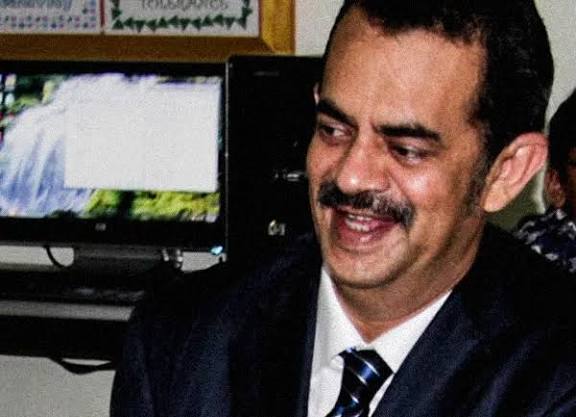
Riza Chalid Biography, Net Worth, Business Empire, Controversies & Influence in Indonesia’s Oil Industry.

Riza Chalid Biography, Net Worth, Business Empire, Controversies & Influence in Indonesia’s Oil Industry.
Introduction
Riza Chalid, often called Indonesia’s “Gasoline Godfather,” is one of Southeast Asia’s most influential yet controversial energy traders. Known for his deep involvement in oil importation, petroleum logistics, and global commodity trading, Chalid built a powerful business network that shaped Indonesia’s fuel supply landscape for decades.
Despite his low public profile, his influence has frequently surfaced in political debates, business discussions, and corruption investigations linked to the oil industry. Admirers describe him as a strategic entrepreneur who helped develop Indonesia’s energy trading infrastructure, while critics point to opaque business dealings and political connections.
This ultra-premium SEO biography explores:
- His early life and background
- Career rise in oil trading
- Business empire and investments
- Estimated net worth and wealth sources
- Major controversies and public perception
- Recent developments and legacy
Early Life and Background
Mohammad Riza Chalid was born around 1959–1960 in Indonesia into a family with Middle Eastern ancestry. Although detailed public records about his early education remain limited, he reportedly grew up in an environment where trade, business relationships, and entrepreneurship were highly valued.
Unlike many public corporate leaders, Chalid maintained an intensely private personal life. This lack of public exposure contributed to his mystique within Indonesia’s business circles. Much of what is known about his early years comes from business reporting rather than autobiographical disclosure.
From an early stage, he demonstrated interest in logistics and trade — sectors that later became the backbone of his energy empire.
Entry Into Business and Oil Trading
Early Career Foundations
Chalid’s business journey reportedly began in shipping brokerage and commodity logistics. This experience proved critical because petroleum trading heavily relies on transportation infrastructure, international contacts, and supply chain expertise.
Through these early roles, he gained:
- International trade contacts
- Knowledge of shipping and fuel logistics
- Understanding of commodity pricing
- Strategic negotiation experience
These skills later allowed him to move into petroleum trading, one of the most lucrative sectors in Southeast Asia.
Expansion Into Oil Trading
By the late 1980s and 1990s, Chalid became increasingly involved in:
- Oil import contracts
- Petroleum storage logistics
- Fuel distribution networks
- Global energy partnerships
Indonesia, as a large energy consumer with fluctuating domestic production, offered enormous opportunities for traders who could secure reliable fuel imports. Chalid capitalized on this environment and gradually built a reputation as a powerful intermediary between global oil suppliers and Indonesian markets.
Rise to Prominence: The “Gasoline Godfather”
Why He Earned the Nickname
The media nickname “Gasoline Godfather” emerged because of Chalid’s perceived influence over Indonesia’s fuel import ecosystem. Industry observers often credited him with:
- Strong relationships across energy companies
- Access to international petroleum suppliers
- Influence in supply negotiations
- Control over logistical channels
While not an official title, the nickname reflects the extent of his reputation within the energy sector.
Strategic Business Approach
Several factors contributed to his success:
1. Relationship-Driven Trading
Energy trading often depends heavily on trust and relationships. Chalid cultivated extensive networks across political, corporate, and international business communities.
2. International Company Structures
Many of his associated companies operated through global trading hubs such as Singapore, allowing access to international financing and shipping networks.
3. Logistics Expertise
His early experience in shipping gave him a competitive advantage in petroleum transportation and supply chain management.
Business Empire Overview
Although Chalid rarely appears publicly as a corporate executive, he has been linked to numerous companies involved in energy, logistics, and infrastructure investments.
Key Business Areas
Oil Trading
This remains his core industry, including:
- Petroleum imports
- Fuel supply contracts
- Energy commodity brokerage
Energy Infrastructure
Investments reportedly extended to:
- Storage facilities
- Distribution networks
- Energy logistics operations
Aviation and Lifestyle Investments
Beyond oil, his interests have included aviation partnerships and family-oriented entertainment projects.
International Business Presence
Many companies connected to Chalid have operated internationally, reflecting the global nature of oil trading. International operations typically offer:
- Tax efficiency
- Access to global capital markets
- Strategic shipping locations
- International legal frameworks
This structure is common among large commodity traders worldwide.
Net Worth and Financial Analysis
Estimated Net Worth
While exact figures vary due to private holdings and fluctuating commodity markets, various business publications have estimated Chalid’s net worth in the hundreds of millions of US dollars.
Estimates commonly range from:
- $300 million to over $400 million
- Potentially higher depending on energy asset valuations
These estimates reflect both liquid assets and long-term investments.
Primary Sources of Wealth
Oil Trading Contracts
Fuel import agreements and energy trading deals form the largest share of his wealth.
Logistics and Infrastructure
Energy storage, transportation, and logistics projects provide additional revenue streams.
Strategic Investments
Aviation, real estate, and international commodity ventures have diversified his income.
Wealth Volatility Factors
Energy traders often experience fluctuating net worth due to:
- Oil price volatility
- Regulatory changes
- Political developments
- Global energy demand shifts
These factors make precise wealth calculation challenging.
Political Influence and Industry Connections
Indonesia’s energy sector has historically involved close interaction between government regulators, state-owned enterprises, and private traders. Chalid’s long presence in the industry naturally led to political connections.
Such connections can provide:
- Access to major contracts
- Policy insight
- Negotiation advantages
However, they can also attract scrutiny and criticism.
Major Controversies
Energy Contract Controversies
Chalid has been mentioned in several public controversies involving energy contracts and government negotiations. These situations often involved allegations of influence over pricing, import decisions, or contract allocations.
It is important to note that many allegations remain disputed or unresolved, and public reporting varies widely.
Transparency Concerns
Critics frequently raise concerns about:
- Lack of corporate transparency
- Complex offshore company structures
- Influence within state energy dealings
These concerns reflect broader debates about governance in global commodity markets.
Legal Investigations
In recent years, Indonesian authorities have investigated irregularities in oil trading and fuel import practices. Some reports have connected Chalid or his business network to these investigations, though legal processes continue to evolve.
Because such cases involve complex financial and political factors, definitive conclusions often take years.
Personal Life and Family
Riza Chalid is known for maintaining an extremely private personal life.
Family Details
Publicly reported information suggests:
- Previously married
- Has children involved in business activities
- Maintains a discreet family presence
Unlike many billionaires, he avoids media publicity and social media exposure.
Leadership Style and Business Philosophy
Although he rarely speaks publicly, industry observers describe his business style as:
Relationship-Focused
Long-term trust and negotiation relationships appear central to his approach.
Strategic and Discreet
Operating quietly often allows flexibility in high-stakes commodity markets.
Globally Oriented
International partnerships and cross-border operations define his strategy.
Influence on Indonesia’s Energy Sector
Positive Contributions
Supporters argue that Chalid helped:
- Stabilize fuel supply chains
- Expand international trading relationships
- Improve logistics infrastructure
These contributions may have supported Indonesia’s growing energy demand.
Criticism and Concerns
Critics argue that:
- Oil trading influence should be more transparent
- Strong private intermediaries may complicate policy oversight
- Greater regulatory clarity is needed
These debates continue within Indonesia’s economic policy circles.
Public Reputation
Riza Chalid’s public image remains complex.
Positive Perception
- Skilled energy trader
- Influential businessman
- Pioneer in oil logistics
Negative Perception
- Associated with controversies
- Seen as symbol of opaque trading practices
- Linked to political-business power dynamics
Public opinion varies widely depending on perspective.
Recent Developments and Current Status
In recent years, media coverage has highlighted ongoing regulatory scrutiny of Indonesia’s oil trading sector. Reports suggest investigations into fuel procurement practices and broader anti-corruption initiatives.
These developments reflect larger global trends toward:
- Transparency in commodity markets
- Stronger financial oversight
- Corporate governance reforms
As legal and policy processes evolve, Chalid’s role continues to attract attention.
Legacy and Future Outlook
Regardless of controversies, Chalid’s influence on Indonesia’s energy trading landscape is significant.
Potential Legacy Scenarios
Industry Pioneer
Some may view him as a key figure in modernizing fuel trading networks.
Controversial Tycoon
Others may focus on political and legal controversies.
Transitional Figure
He may ultimately represent a transitional era before stricter energy governance.
Frequently Asked Questions
Who is Riza Chalid?
Riza Chalid is an Indonesian oil trader and businessman known for his influence in petroleum importation and energy logistics.
Why is he called the Gasoline Godfather?
The nickname reflects his perceived influence over Indonesia’s fuel trading industry and long-standing business networks.
What is his net worth?
Estimates generally place his net worth in the hundreds of millions of US dollars, though exact figures vary.
What industries is he involved in?
Primarily oil trading, energy logistics, infrastructure investments, and international commodity markets.
Is he still active in business?
Reports suggest continued involvement in energy trading networks, though public visibility remains limited.
Conclusion
Riza Chalid remains one of Southeast Asia’s most enigmatic and influential energy businessmen. His career illustrates both the opportunities and complexities of global commodity trading — a sector where logistics expertise, international networks, and political awareness often intersect.
Whether viewed as a pioneering entrepreneur or a controversial industry figure, his impact on Indonesia’s oil trading ecosystem is undeniable. As energy markets evolve and regulatory oversight strengthens, his legacy will likely remain a topic of debate among economists, policymakers, and business analysts.
