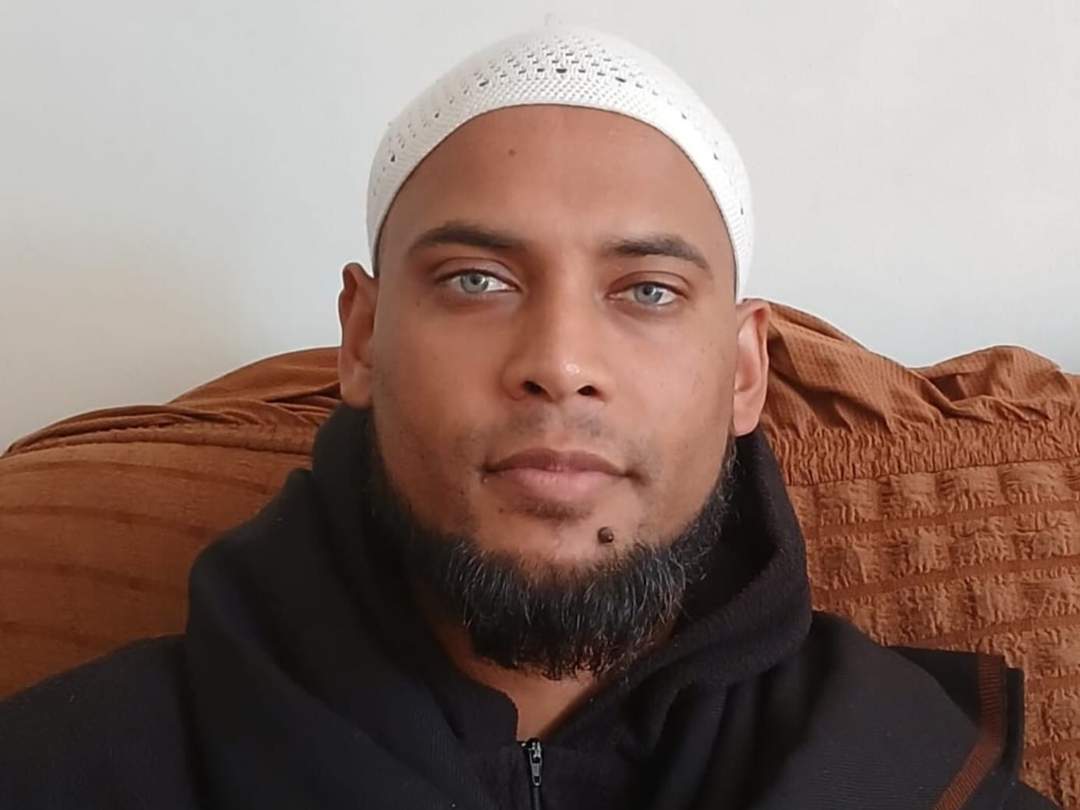

Moulana Mustaqeem Wanza was a South African Islamic cleric whose life drew wide public attention after his tragic death in Cape Town during the holy month of Ramadan in 2026. Many people began searching for details about his age, early upbringing, and the religious work he carried out before his passing. He was known for leading prayers, reciting the Quran, and guiding members of the Muslim community through teaching and spiritual advice.
This biography explains who he was, how he developed as a religious figure, and the role he played in his community.
Who Was Moulana Mustaqeem Wanza
Moulana Mustaqeem Wanza was widely recognized as a young Islamic scholar and Quran reciter based in Mitchells Plain, Cape Town. The title Moulana is commonly used for individuals who have received formal religious training and who serve as teachers or leaders within the Muslim community.
He became known through his role at Salaamudien Masjid, where he regularly led prayers and delivered religious lessons. People who attended his sermons often described him as calm, respectful, and focused on guiding others through faith based teachings. His clear recitation and gentle speaking style helped him build a strong connection with worshippers.
Public interest in his life increased greatly after his death, as many followers wanted to understand the person behind the headlines and learn more about his journey as a religious leader.
Age and Personal Background
One of the most searched details about Moulana Mustaqeem Wanza is his age. Reports confirmed that he was thirty three years old at the time of his death in February 2026. His relatively young age surprised many people because he had already established himself as a respected figure within his community.
Although detailed personal information about his family life is not widely available, it is clear that he devoted much of his time to religious study and teaching. His background reflects a strong commitment to learning and service. Those who knew him often spoke about his discipline and dedication to spiritual growth.
Understanding his age helps place his achievements into context. Despite being young compared to many senior scholars, he had built a reputation for leadership and guidance within a short period of time.
Early Life and Religious Education
Information about Moulana Mustaqeem Wanza’s early childhood remains limited, but available details suggest that he began his religious journey at a young age. Many Islamic scholars start their education by memorizing the Quran and studying classical religious texts under experienced teachers. He was often described as a hafith, which indicates that he memorized the Quran after years of consistent study.
His early education likely included training in Quran recitation, theology, and Islamic ethics. Such training usually takes place within mosque based learning environments where students learn discipline and respect for tradition. These formative years played an important role in shaping his identity as a religious leader.
People who attended his lessons later in life noted that his recitation carried emotional depth and clarity. This ability usually develops through long periods of practice during youth, which suggests that his early years were strongly influenced by structured religious learning.
Religious Development and Influences
Religious mentorship is often central to the development of a scholar, and Moulana Mustaqeem Wanza appeared to follow this path. Scholars in his field typically learn from senior teachers who guide both their academic and spiritual growth. This system encourages humility and responsibility toward the community.
His teachings focused on moral values, patience, and maintaining a strong connection with faith. Rather than presenting complex ideas in academic language, he aimed to explain religious principles in ways that ordinary people could understand. This approach made his lessons accessible to a wide audience, including young worshippers.
The combination of traditional education and practical teaching helped him gain recognition within local religious circles. Over time, his voice and recitation style became closely associated with gatherings during Ramadan and other important religious events.
Career and Work Before Death
Before his death, Moulana Mustaqeem Wanza served actively as a cleric at Salaamudien Masjid in the New Lentegeur area of Mitchells Plain. His responsibilities included leading daily prayers, delivering sermons, and guiding congregants during spiritual discussions.
He became especially well known for leading Taraweeh prayers during Ramadan. These night prayers attract large numbers of worshippers, and his recitation drew many people to the mosque. Community members appreciated his steady presence and the sense of calm he brought to gatherings.
In addition to his work inside the mosque, he reached a broader audience through short religious messages and recordings shared online. This allowed him to connect with younger listeners who often seek guidance through digital platforms. Despite this growing visibility, he remained focused on teaching rather than personal fame.
His career demonstrated a strong commitment to service. Instead of pursuing public attention, he concentrated on helping individuals strengthen their understanding of faith and encouraging respectful dialogue within the community.
Teaching Style and Public Image
One of the defining aspects of Moulana Mustaqeem Wanza’s career was his teaching style. He spoke in a clear and measured tone that made complex religious concepts easier to understand. Many followers said that his lessons felt practical and relevant to everyday life.
He was known for maintaining a respectful atmosphere during sermons. Rather than criticizing or judging others, he emphasized personal reflection and positive change. This approach helped build trust among listeners and created a welcoming environment for people seeking guidance.
His public image reflected modesty and dedication. He did not share many personal details about his private life, choosing instead to focus on his role as a teacher and reciter. This balance between public service and personal privacy contributed to the curiosity that later surrounded his biography.
Events Leading Up to His Death
The tragic death of Moulana Mustaqeem Wanza occurred on the first night of Ramadan in February 2026. After completing Taraweeh prayers at Salaamudien Masjid, he was shot outside the mosque in Mitchells Plain. The incident shocked the local Muslim community and drew attention from across South Africa.
At the time of his death, he remained actively involved in religious work. His presence at the mosque that evening reflected his commitment to leading prayers and serving worshippers during one of the most important periods in the Islamic calendar.
Authorities began investigating the circumstances surrounding the shooting, while community leaders urged people to remain calm and avoid spreading unverified information. The sudden nature of the event led many supporters to reflect on his teachings and share memories of his contributions.
Community Reaction and Legacy
Following his passing, many people expressed grief and paid tribute to Moulana Mustaqeem Wanza’s dedication to faith and education. Worshippers described him as humble, sincere, and deeply committed to guiding others. His ability to recite the Quran with clarity left a lasting impression on those who attended his prayers.
His legacy is closely connected to the lives he influenced through teaching. Young students who listened to his recitations often viewed him as a role model for discipline and devotion. Community members also remembered his willingness to offer advice during difficult times.
Although his life was relatively short, his work continues to be discussed within religious circles. The strong public response to his death highlights the meaningful role he played in the spiritual lives of many people. For those searching for his biography, understanding his age, early education, and career helps provide a clearer picture of his journey and impact.
Frequently Asked Questions
Who was Moulana Mustaqeem Wanza
He was a South African Islamic cleric and Quran reciter who served the Muslim community in Mitchells Plain, Cape Town through teaching and leading prayers.
How old was he when he died
He was thirty three years old at the time of his death in February 2026.
Where did he work as a religious leader
He was closely associated with Salaamudien Masjid in the New Lentegeur area of Mitchells Plain where he led prayers and delivered sermons.
