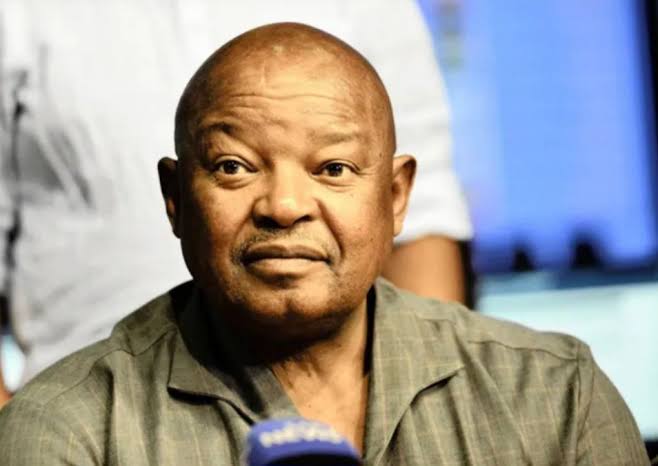

Mosiuoa Lekota was a major figure in South Africa’s modern political history. He spent decades fighting against apartheid, the system of racial rule that controlled South Africa until the early 1990s. After South Africa became a democracy, he served in senior political positions, including as a national minister and leader of a political party.
Lekota’s life was marked by activism, service in government, leadership in a major political split, and involvement in building democratic institutions. He died in 2026. This article explains his life, work, net worth, and the cause of his death in simple and clear language.
Early Life and Age
Mosiuoa Lekota was born on August 13, 1948, in Kroonstad in the Free State province of South Africa. He grew up under apartheid, which limited the rights of non‑white South Africans. Growing up in that system shaped his belief in equality and freedom.
Lekota had primary and secondary schooling and later enrolled at the University of the North to study social sciences. He was expelled from the university because of his involvement in student politics opposing apartheid.
His early experiences with political activism set the stage for his lifelong involvement in public affairs.
Political Activism and Imprisonment
As a young man, Lekota became deeply involved in anti-apartheid politics. He served as a permanent organiser for the South African Students’ Organisation. In 1974, he was detained and sent to Robben Island Prison, where he spent eight years alongside other anti-apartheid activists.
After his release, he continued working with major groups opposing apartheid from within South Africa. In 1985 he was arrested again and later became a defendant in the Delmas Treason Trial, a major case against anti-apartheid activists. He was released in 1989 after his sentence was reviewed.
These years in prison and in political struggle made him a respected figure among South Africans who fought for democracy.
Entry into Government After Democracy
After apartheid ended and South Africa held its first democratic elections in 1994, Lekota moved from activism into government service.
He became the first Premier of the Free State province, serving from 1994 to 1996. In this role he managed provincial government work and helped transition public services from apartheid to democracy.
After serving as Premier, Lekota became the first Chairperson of the National Council of Provinces, which is part of South Africa’s Parliament. Later, he served as Minister of Defence from 1999 to 2008.
As Minister of Defence, he oversaw the South African National Defence Force during a period when the military was adjusting to the new democratic order.
Political Split and New Party
Lekota was an important member of the African National Congress (ANC), South Africa’s main liberation movement and governing party after 1994. Over time he rose to senior positions within the party.
In 2008 rising tensions inside the ANC led to a major split. Lekota, along with others, left to form a new political party called the Congress of the People (COPE).
COPE was formed as a breakaway movement to offer a new voice in South African politics. Lekota became the founding president of the party. In the 2009 election, COPE won seats in Parliament and became the third-largest party based on national vote share.
However, the party later faced internal disagreements and its support declined in later elections.
Public Reputation and Impact
Throughout his life Lekota was known as an outspoken and committed politician. Supporters saw him as a leader who stood for democratic values and non-racialism in South Africa.
Critics sometimes disagreed with his political choices, especially his decision to leave the ANC and form a new party. Even so, many observers saw him as someone who contributed to building democratic institutions and political debate in the country.
His years of activism, government service, and party leadership reflect the journey of South Africa’s politics from apartheid to modern democracy.
Net Worth
Public information about Mosiuoa Lekota’s net worth was not widely available before his death. As a career politician who held senior public offices, his income likely came mainly from government salaries, political roles, and possibly public speaking or advisory work after leaving office.
Because detailed financial records are not published officially, any estimate of his net worth should be viewed with caution.
Cause of Death
Mosiuoa Lekota died on March 4, 2026, at the age of 77. He had been ill for some time. His family asked for privacy following his death, and his political party issued official statements to inform the nation.
Following his passing, the government announced plans to honour him with a Special Official Funeral Category 2, a national honour given to people who made significant contributions to public life. Flags were ordered to fly at half-mast across the country until his funeral.
Legacy and Importance
Mosiuoa Lekota was part of the generation of South Africans who dedicated themselves to ending apartheid and building a democratic country.
He spent years in prison for his political beliefs, held important roles in government, and led a major political movement outside the ANC. His life captured both the struggle for freedom and the debates that shape South Africa’s democracy today.
Even with differing political views, many people in South Africa and beyond recognised his contribution to national life.
Frequently Asked Questions
How old was Mosiuoa Lekota when he died
He died at the age of 77 on March 4, 2026.
What was Mosiuoa Lekota known for
He was known as an anti-apartheid activist, a national minister, and a founder of the Congress of the People political party.
Which political party did Lekota help start
He was a founding leader of the Congress of the People (COPE).
Did Mosiuoa Lekota serve in government
Yes, he served as Premier of the Free State, Chairperson of the National Council of Provinces, and Minister of Defence.
What was the cause of his death
He died after a long illness in March 2026.
